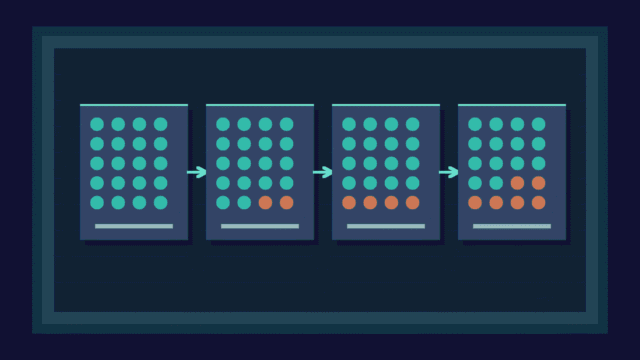
Batch Size And Flow Examples: How Smaller Transfers Change Lead Time
Compare large batches, smaller transfer batches and one-piece flow using worked timing, setup cost, capacity, and inventory examples.
Example Solutions
Compare large batches, smaller transfer batches and one-piece flow using worked timing, setup cost, capacity, and inventory examples.
Use worked internal and external benchmarking examples to calculate gaps, adjust for case mix, evaluate practices and develop evidence-based improvement targets.
Design effective visual management using worked production, office and service examples, clear operating thresholds, response ownership and verification measures.
Conduct a post-implementation review using worked outcome comparisons, benefit calculations, cost reconciliation, unintended consequences and documented follow-up actions.
Calculate overall equipment effectiveness with worked OEE examples, loss reconciliation, product-mix weighting, aggregation and practical measurement checks.
Calculate rolled throughput yield with original cohort examples, conditional stage yields, branching routes, rework accounting and improvement targets.
Learn work sampling through original activity-share calculations, sample-size planning, approximate uncertainty, observation bias and weighted sampling.
Learn time study with worked observed, normal and standard time calculations, two allowance conventions, irregular tasks, resource capacity and validation.
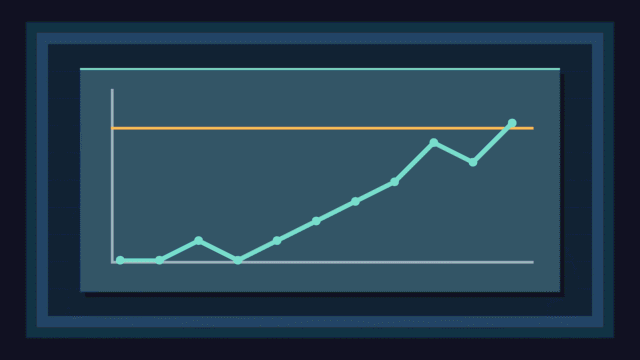
Calculate CUSUM control charts with worked upper and lower statistics, spreadsheet formulas, parameter selection and signal interpretation.
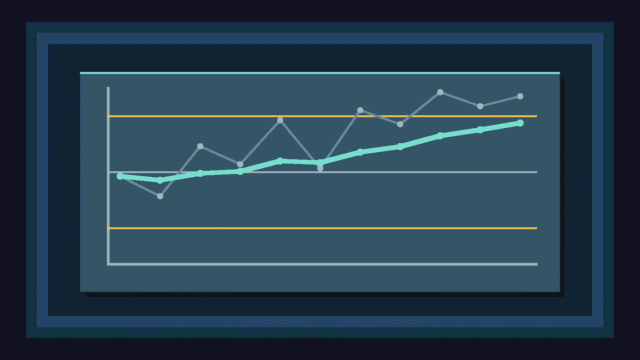
Calculate EWMA control charts with original worked examples, weighting factors, startup and long-run limits, spreadsheet formulas and signal interpretation.